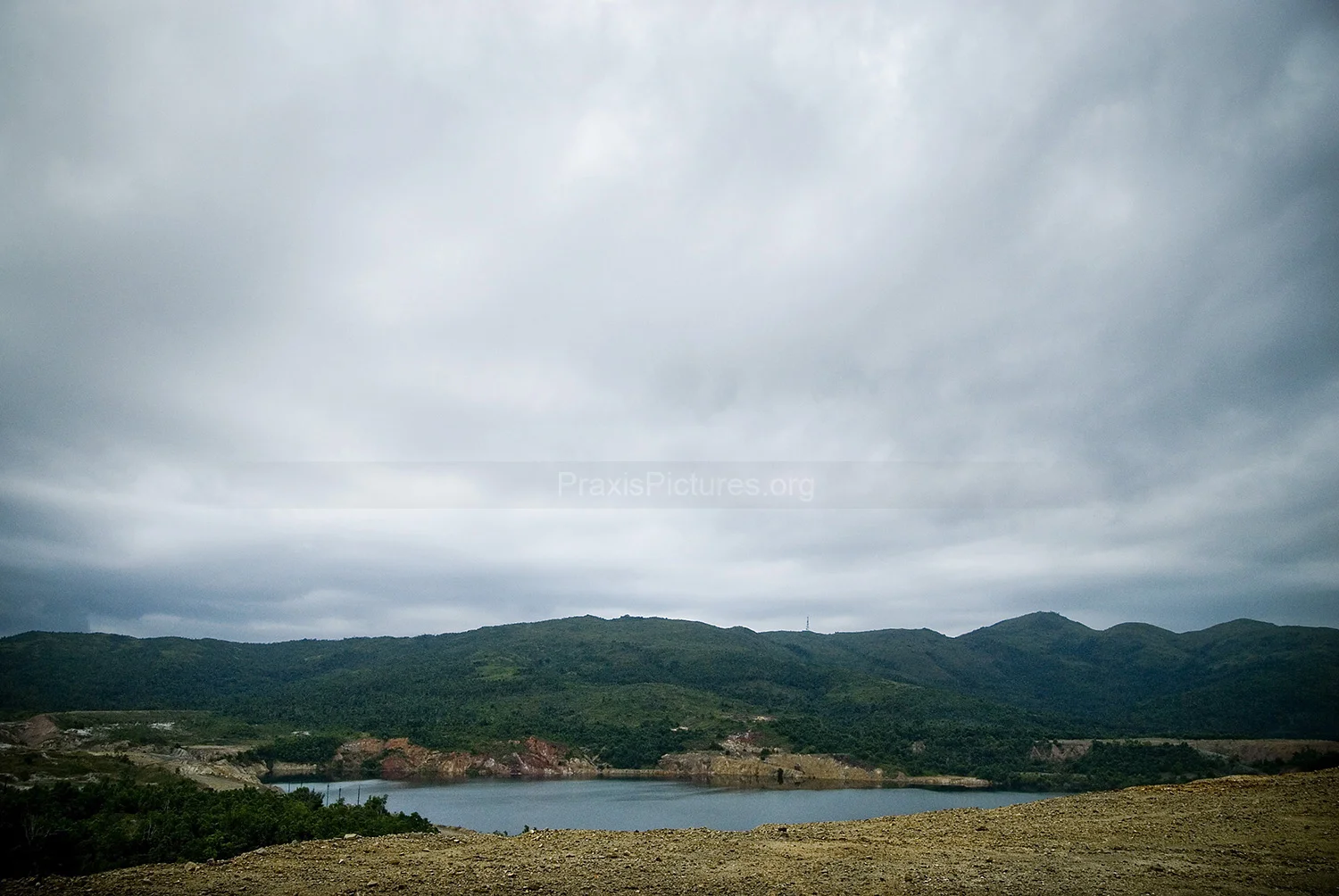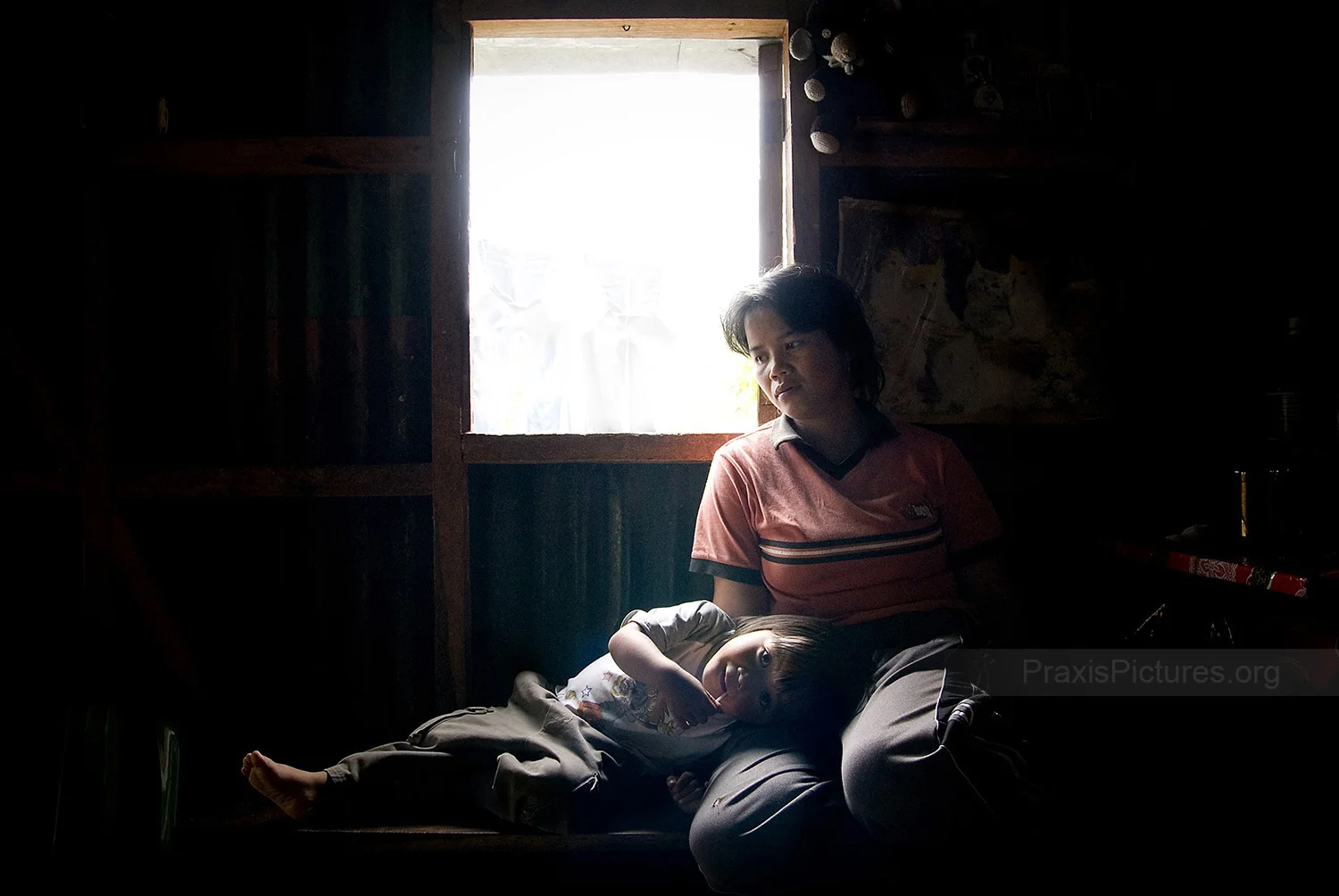
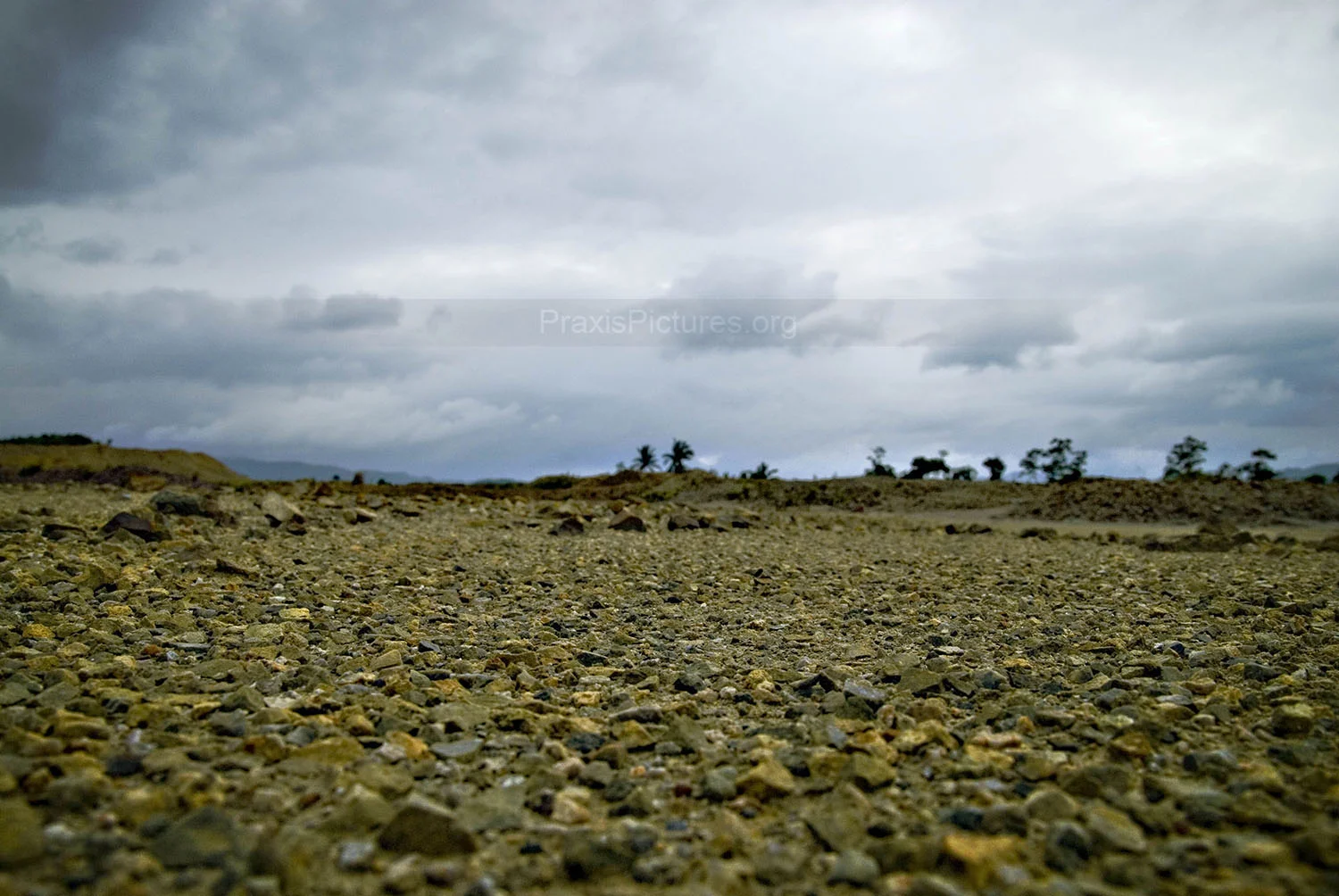
Scorched earth in Marinduque, Philippines.

SOMEONE ELSE'S TREASURE - PHILIPPINES

Text and photos by Allan Lissner/PraxisPictures (2008)

BENEATH the 7,107 islands that make up the Philippines, lies one of the world’s largest mineral resources. The Philippines is the second largest gold producer in the world (behind only South Africa), and the third largest copper producer. The countries’ mineral wealth is estimated to be somewhere between US$840billion and US$1trillion.

But the record of large scale mining in the Philippines is nothing short of disastrous. The social and environmental impacts of these mines have clearly not been a priority to the Philippine government, or to the foreign investors who are profiting from these ventures. The extraction of these treasured metals comes at a high price. People who were already marginalized and living in poverty to begin with are losing what they most treasure – families are being torn apart, livelihoods destroyed, ecosystems ruined, and ancient indigenous cultures are being eroded.

The following pictures tell the stories of some of the people in the Philippines whose lives have been affected by the Canadian mining industry. Three different provinces are visited – Benguet, Marinduque, and Oriental Mindoro. In Benguet, Lepanto Consolidated has been operating a gold mine since 1995. Canadian company Ivanhoe Mines holds shares of Lepanto. Marinduque was the site of the worst industrial disaster in Philippine history, where Canadian company Placer Dome operated a copper mine for thirty years. In Oriental Mindoro, Canadian Crew Minerals, who have recently relocated to Norway and changed their name to Intex Resources, has been attempting to open up a nickel mine despite local opposition. Canada, home to about sixty percent of the world’s mining corporations, leads the way in the global mining industry. But some critics have labeled the mining industry as Canada’s number one contribution to global injustice. As the industry continues to shape the world we all live in, it is the hardships endured by the men, women, and children like these that make our way of life possible.
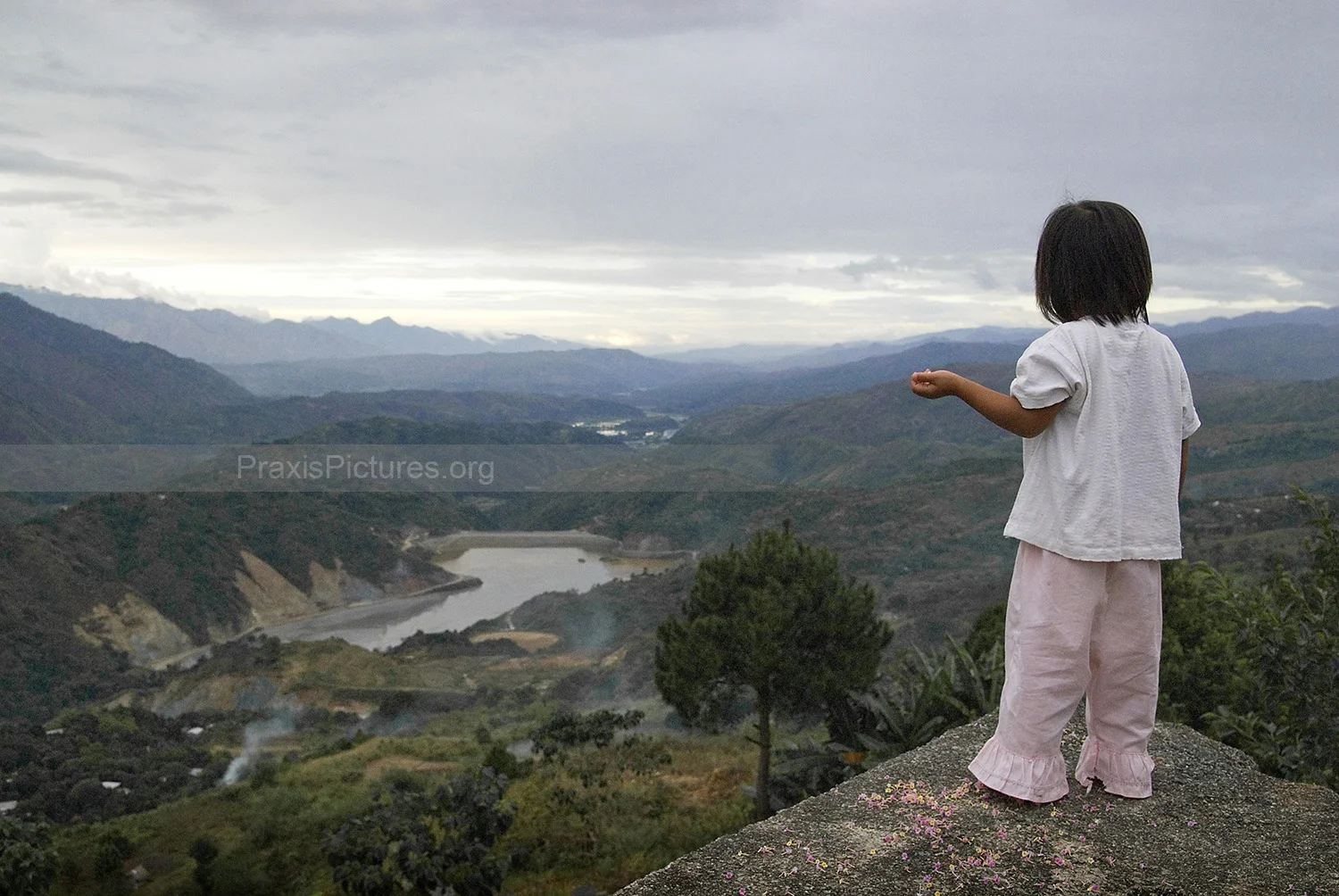
TRIXIE - Trixie looks down at the tailings dam for the Lepanto gold mine in the province of Benguet, where the toxic waste from the mining process are dumped at a rate ranging between 1,500 and 2,500 metric tons per day. This is the third dam built …
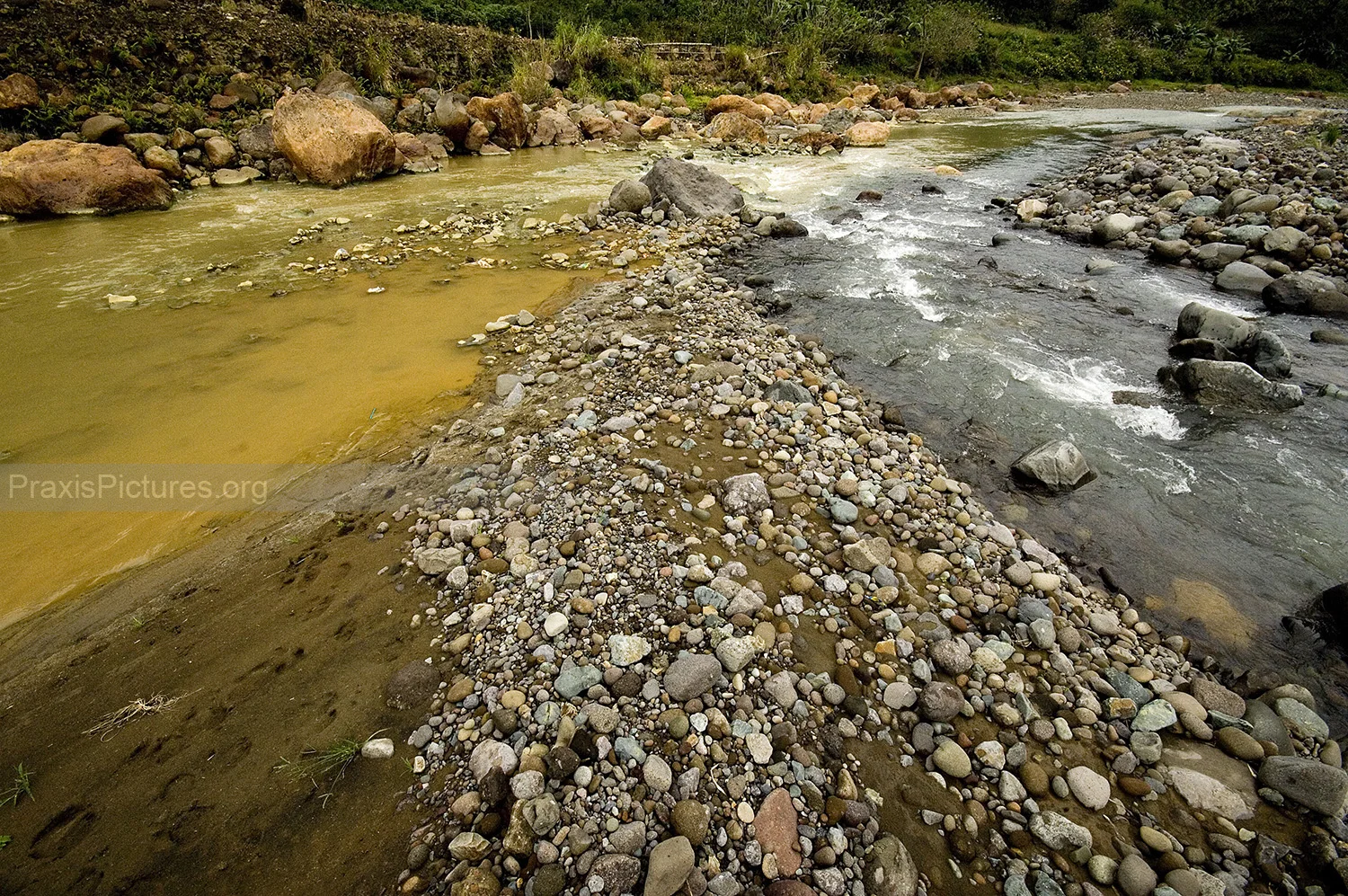
CONTAMINATED WATER - Just a few meters past the dam, contaminated water (left) – carrying with it cyanide, lead, copper, and mercury – joins together with the clean water (right) coming from the mountain springs into the river system.Many mining sit…
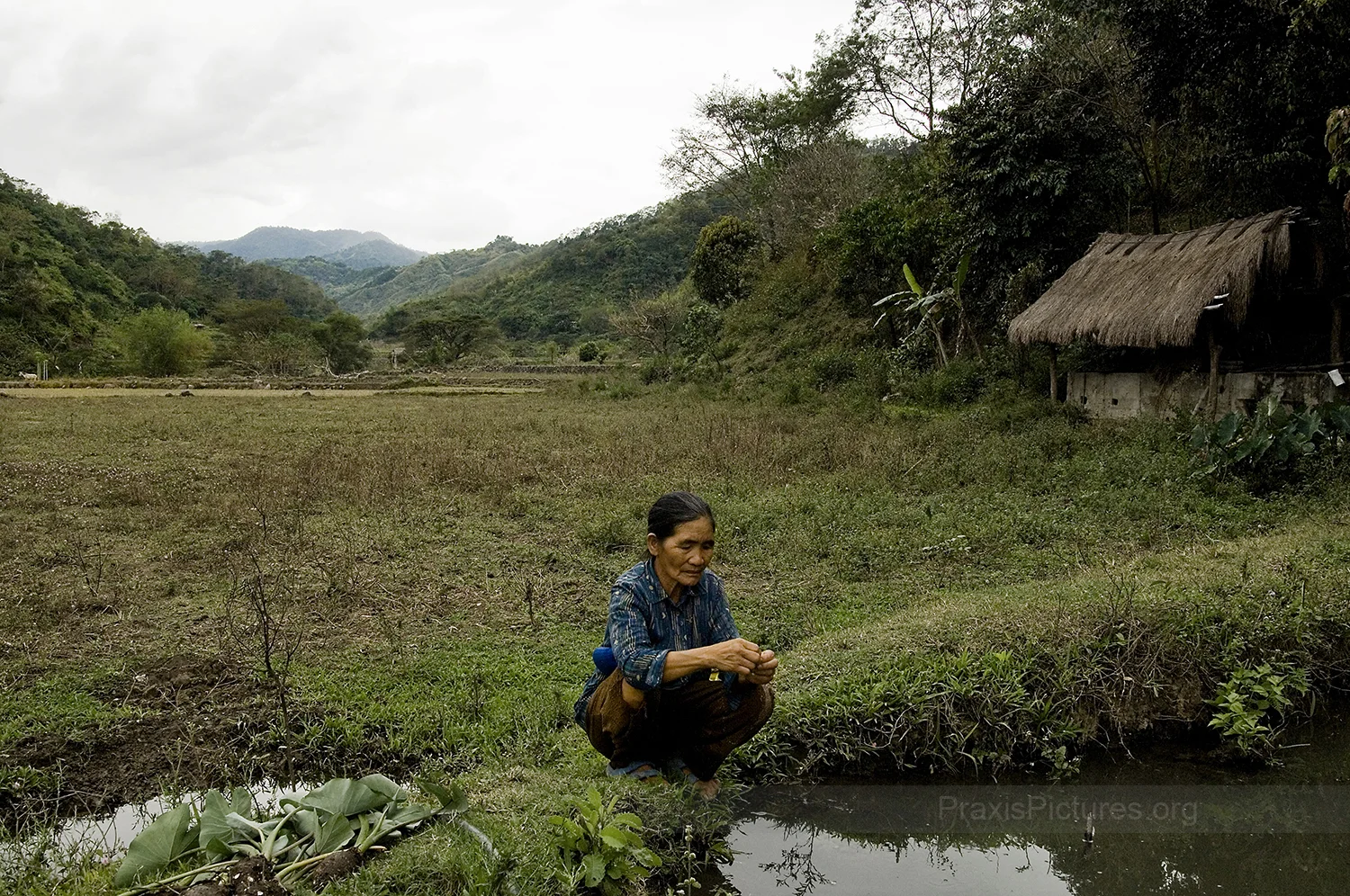
SULEY - In Cervantes, a few kilometers down river from Lepanto’s gold mine, Suley sits in the middle of her barren farm which has been contaminated by the toxic chemicals that have leaked out of the tailings dam and into the river system. Her farm h…
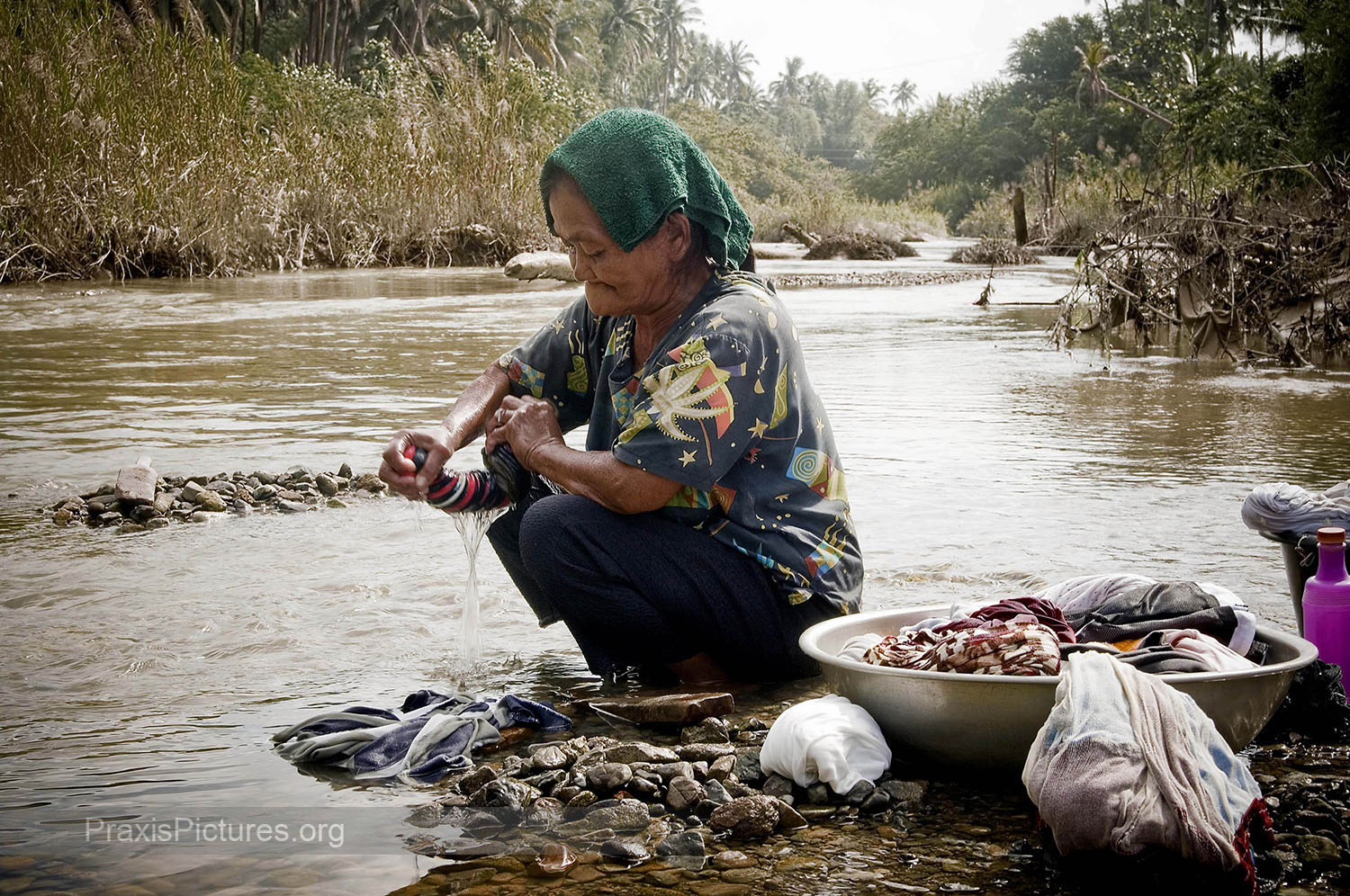
REMY - Remy washes her laundry in the poisoned Mogpog River in Marinduque. In 1993 one of the tailings dams of Placer Dome’s copper mine burst sending tons of mine waste raging down the river in a flash flood sweeping away homes, people and livestoc…
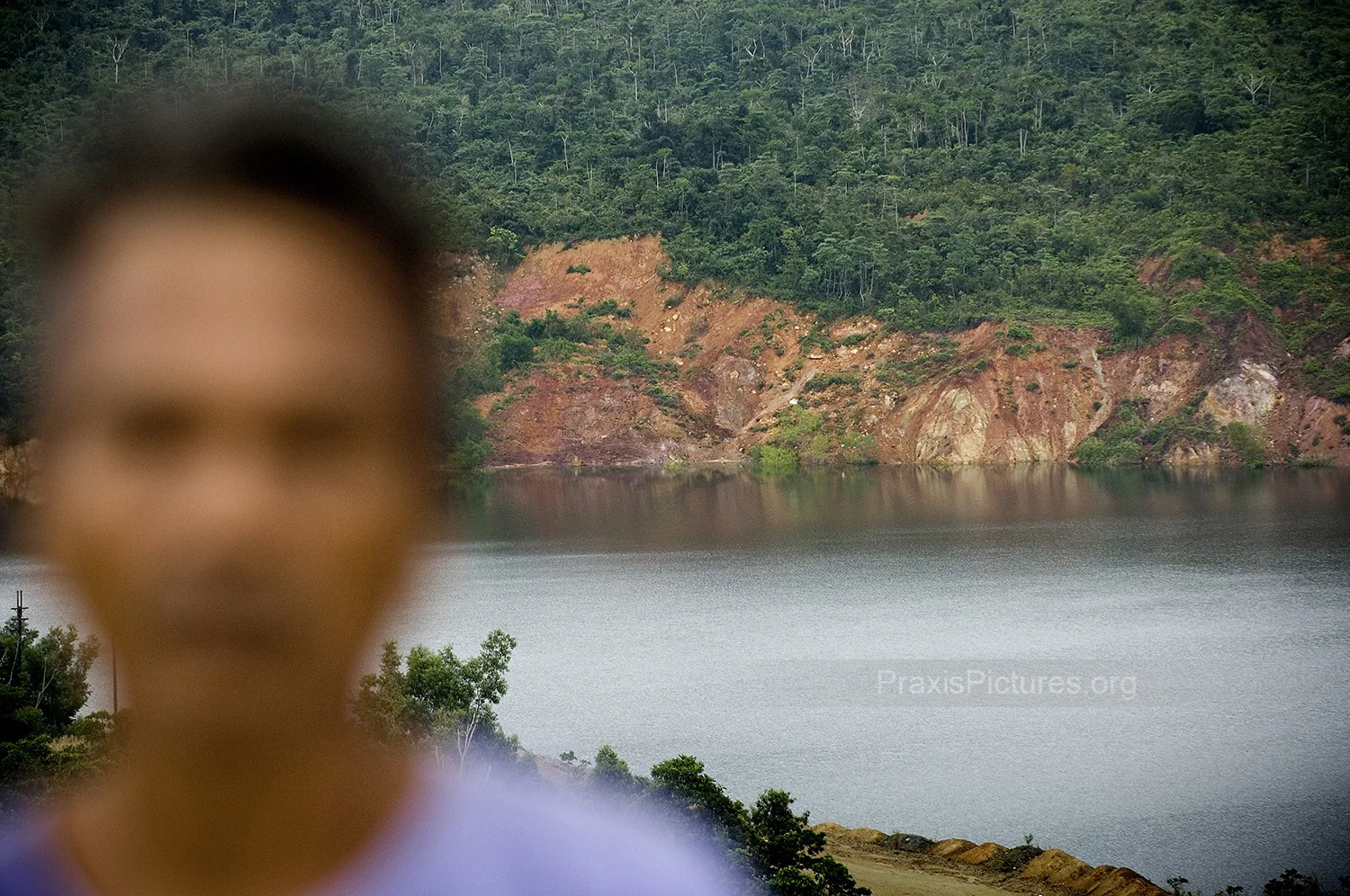
”Imagine…being forced into a situation where you lived in a house…and a contractor puts a huge swimming pool up on your roof. You then suddenly receive a secret report that says the roof can cave in at any time and the water can drown you and your c…
“Look, that dam could break at any time, maybe next week, maybe tomorrow, I don’t know. But I do know that when it does happen, my house and my family will probably be destroyed. And just like last time, the company will deny responsibility. I want …
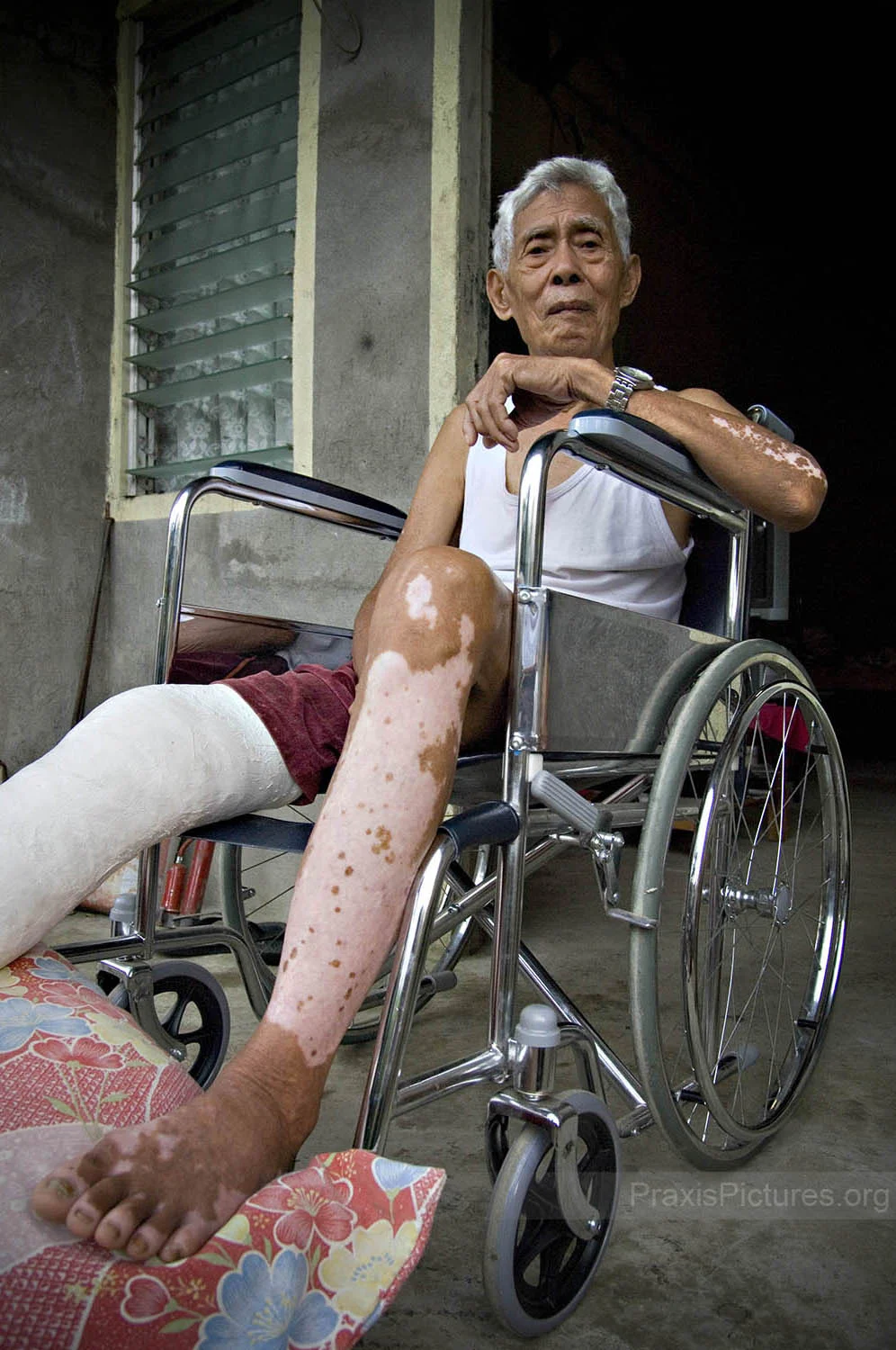
THOMAS - Eighty years old, Thomas used to bathe in the Mogpog river every day when he was younger. His body is now covered with skin discolouration which he started developing about forty years ago when Placer Dome’s mine was in full operation.Marin…
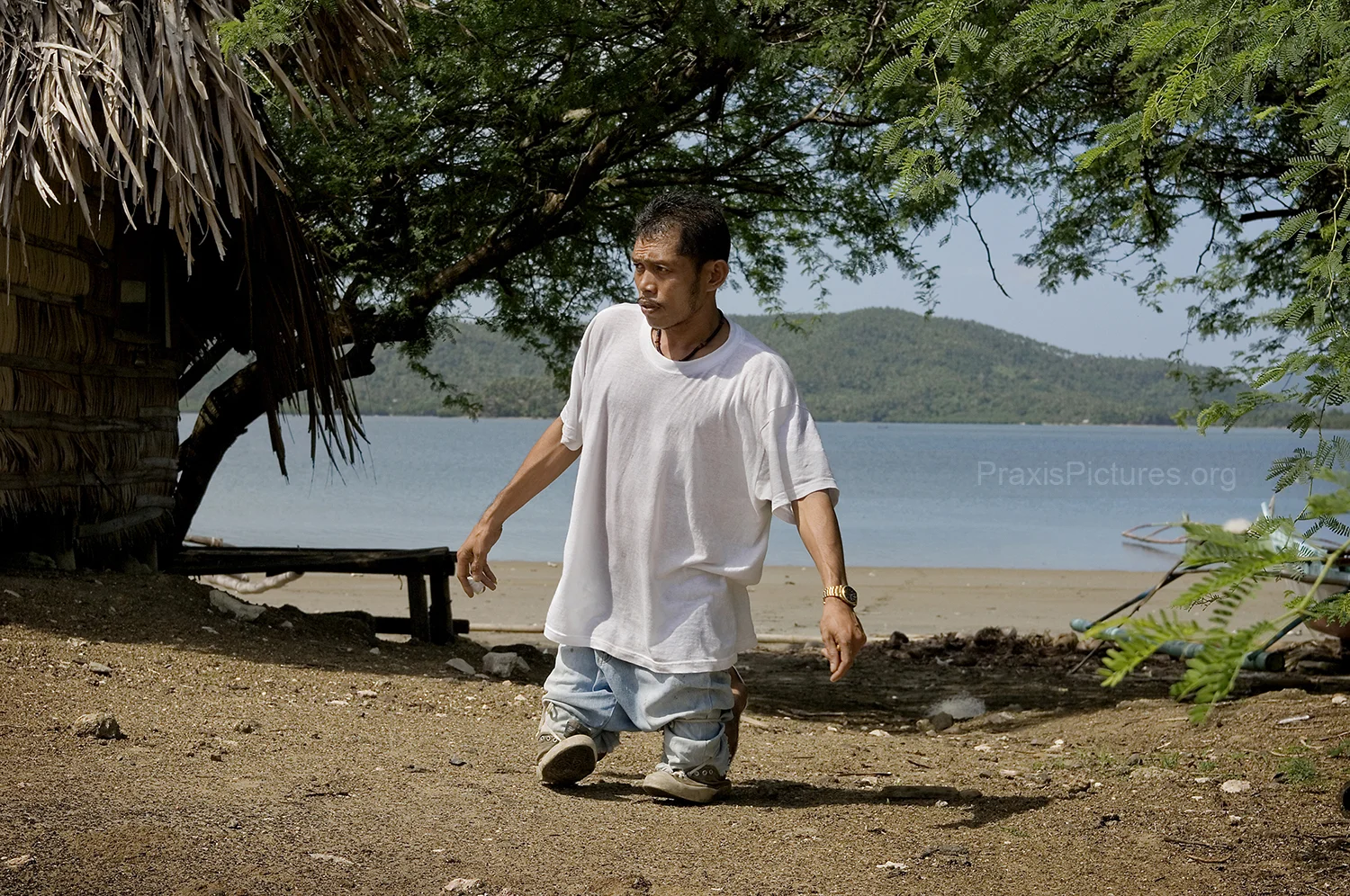
Wilson was a fisherman living in Calancan Bay in Marinduque where Placer Dome used to dump its mine waste. Over a period of sixteen years, Placer Dome dumped 200million tons of mine waste into the shallow coral-rich bay despite vocal opposition from…
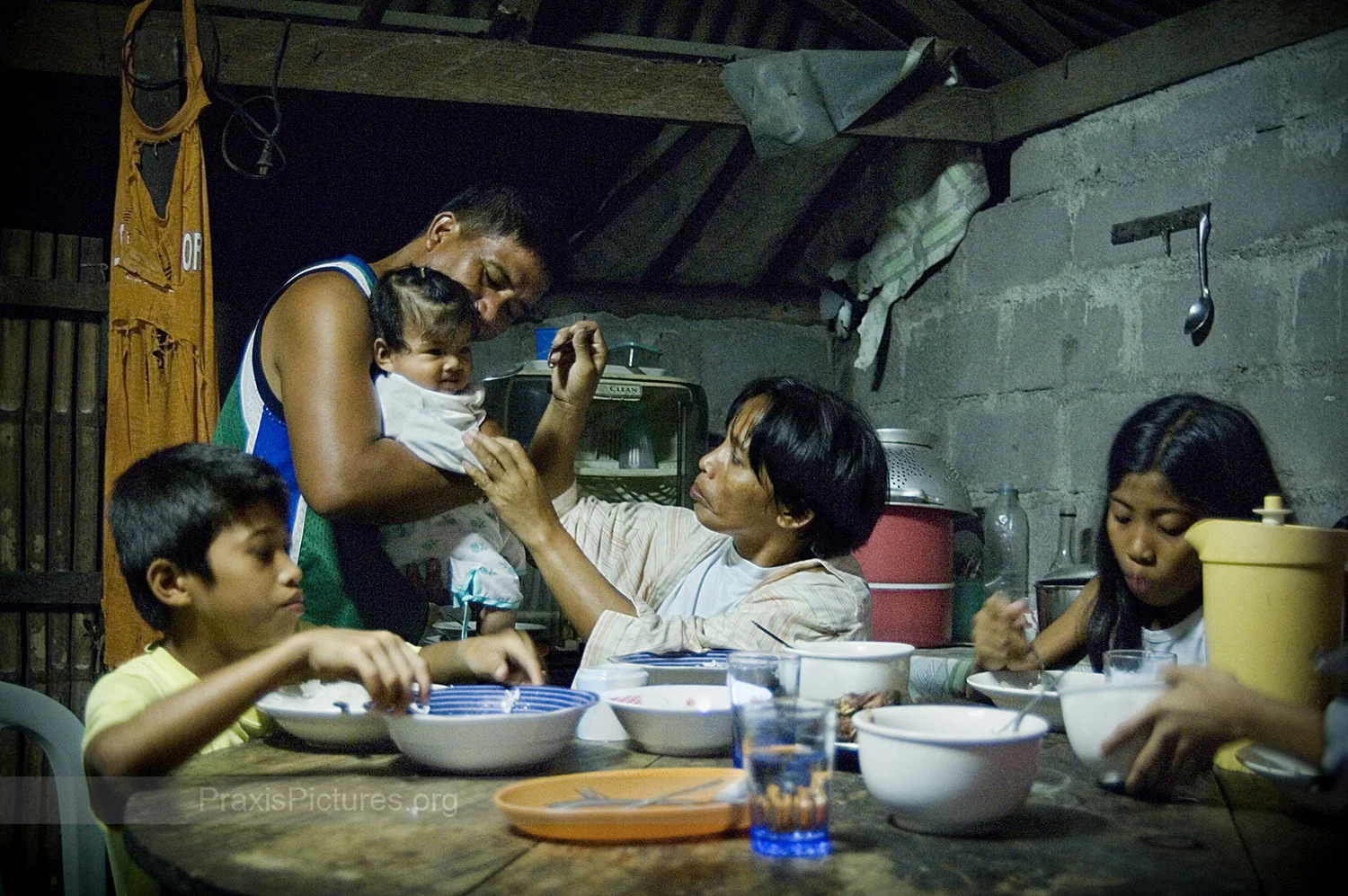
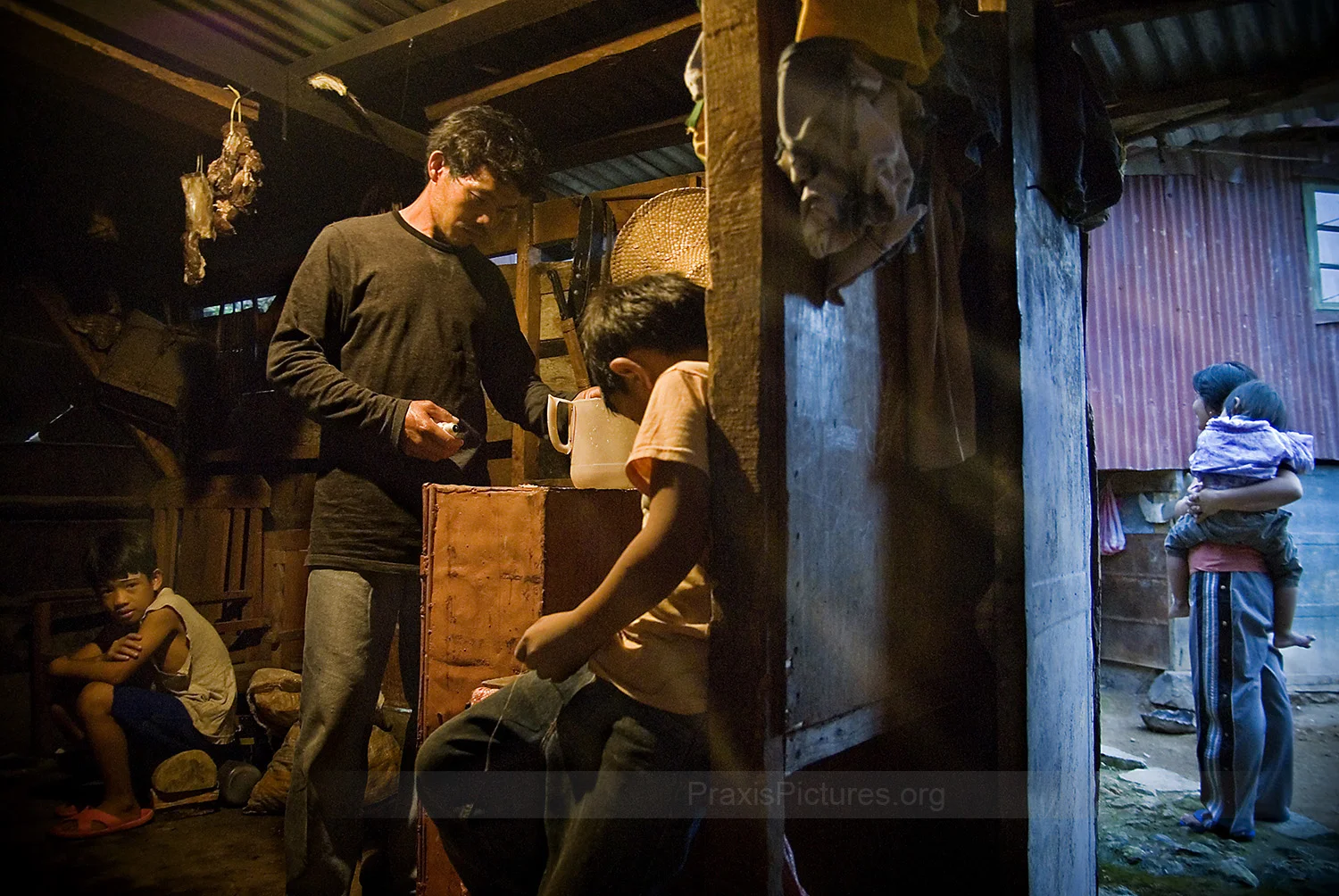
FOOD SECURITY - Pili, Mindoro, Henry (second left) and his family enjoy a meal consisting of rice, fish and vegetables. The province of Oriental Mindoro is ranked third as the province which produces the most food in the Philippines, and is known as…
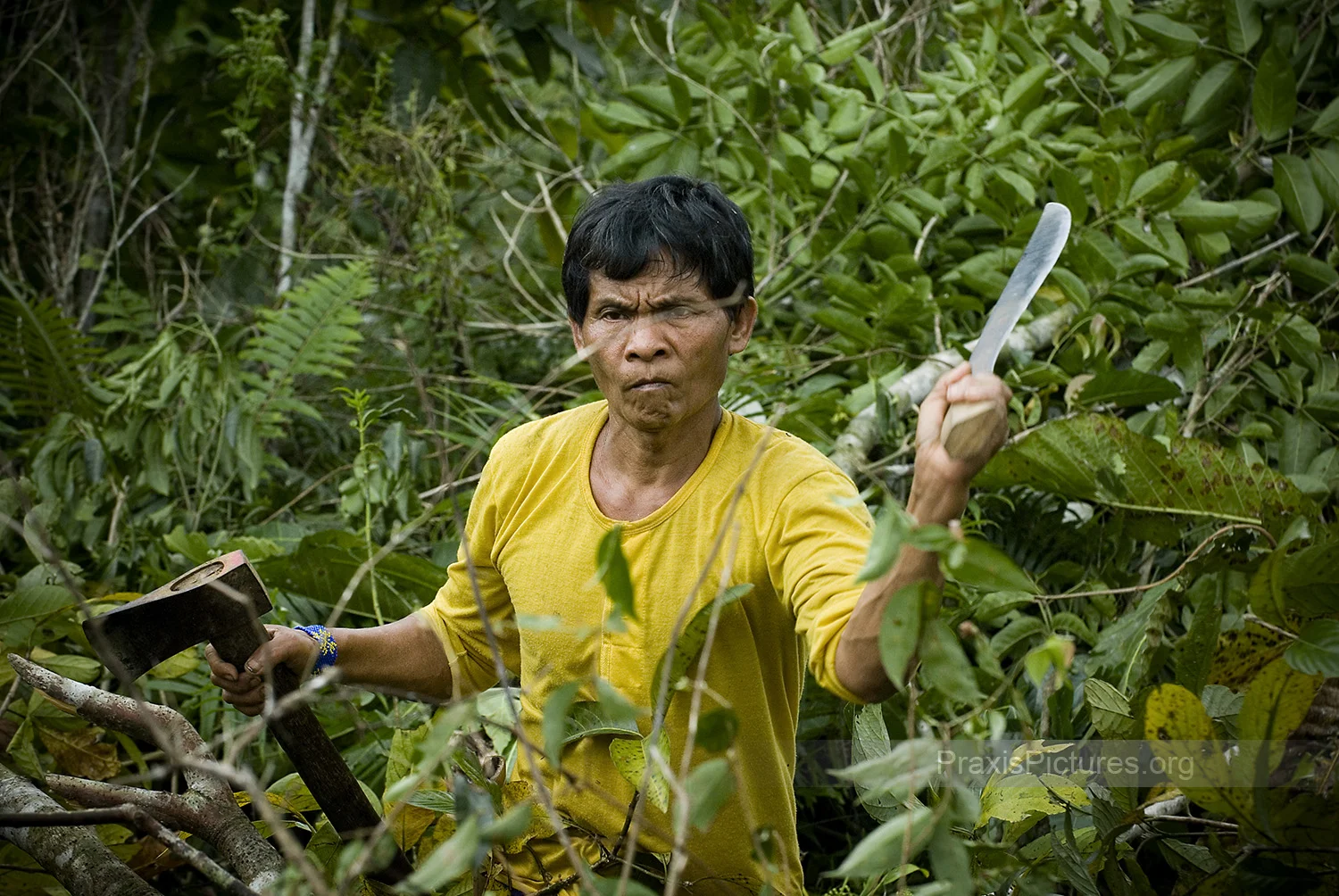
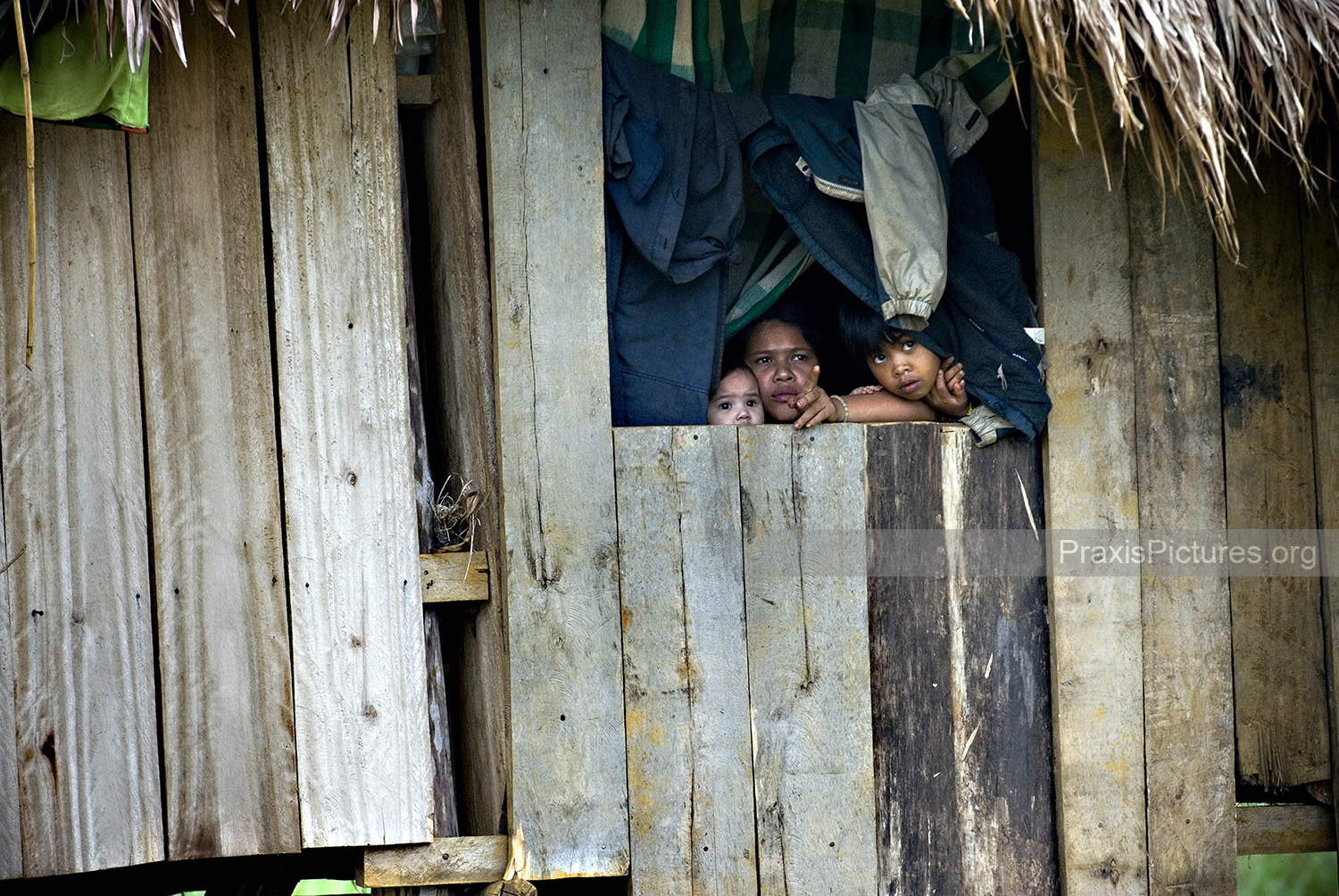
ALANGAN - Ramon, of the Alangan tribe in the village of Kisluyan, in Mindoro. Kisluyan is one of 26 indigenous villages that face the threat of displacement if Crew Minerals (now Intex Resources) opens up a nickel mine on their ancestral land. Altho…
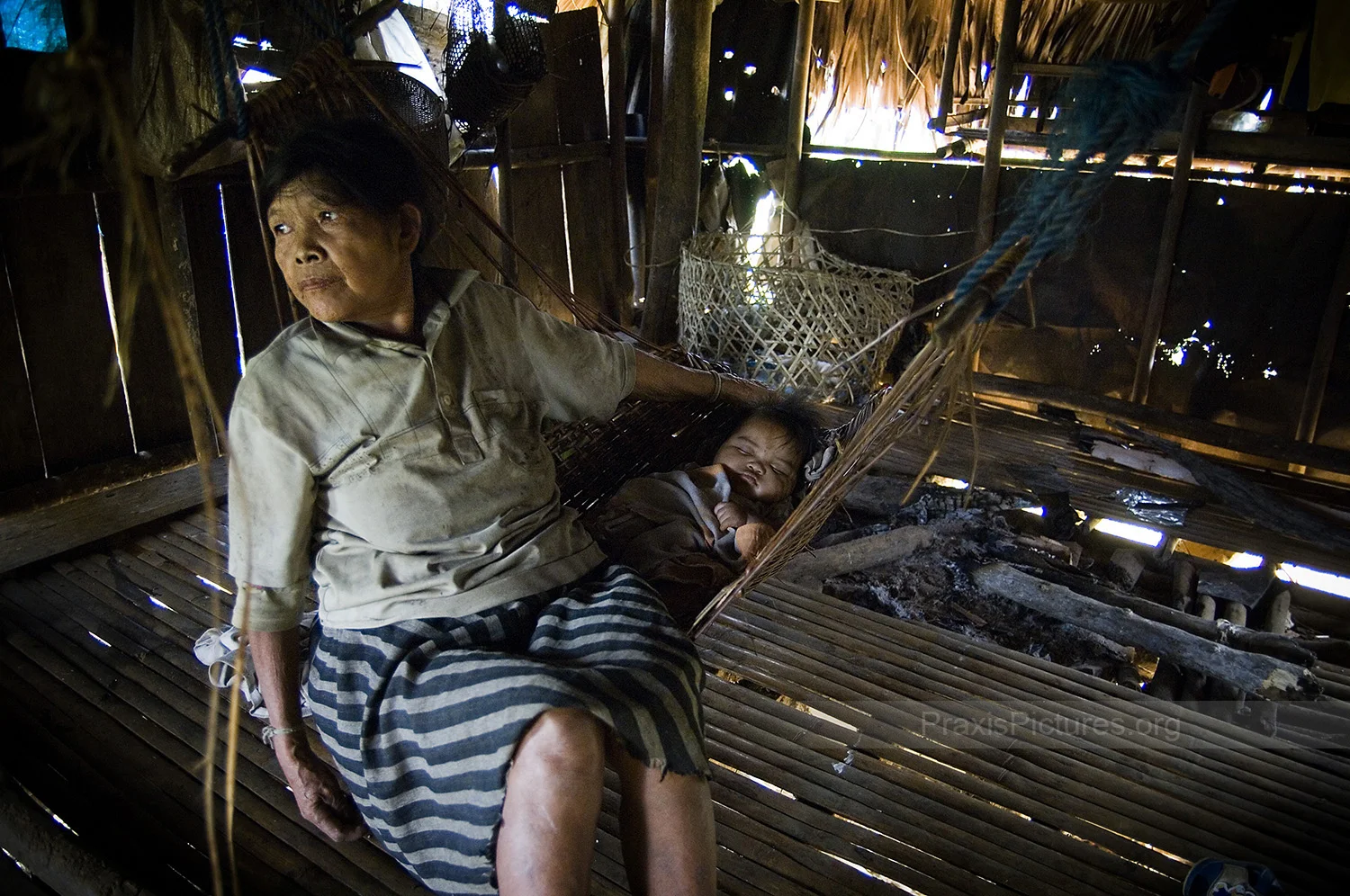
LUNINGNING - Luningning, of the Alangan tribe, with her granddaughter in the village of Kisluyan. The Alangan are one of 8 indigenous tribes in Mindoro, known collectively as the Mangyans. The Mangyans, who once occupied the whole island, are peacef…
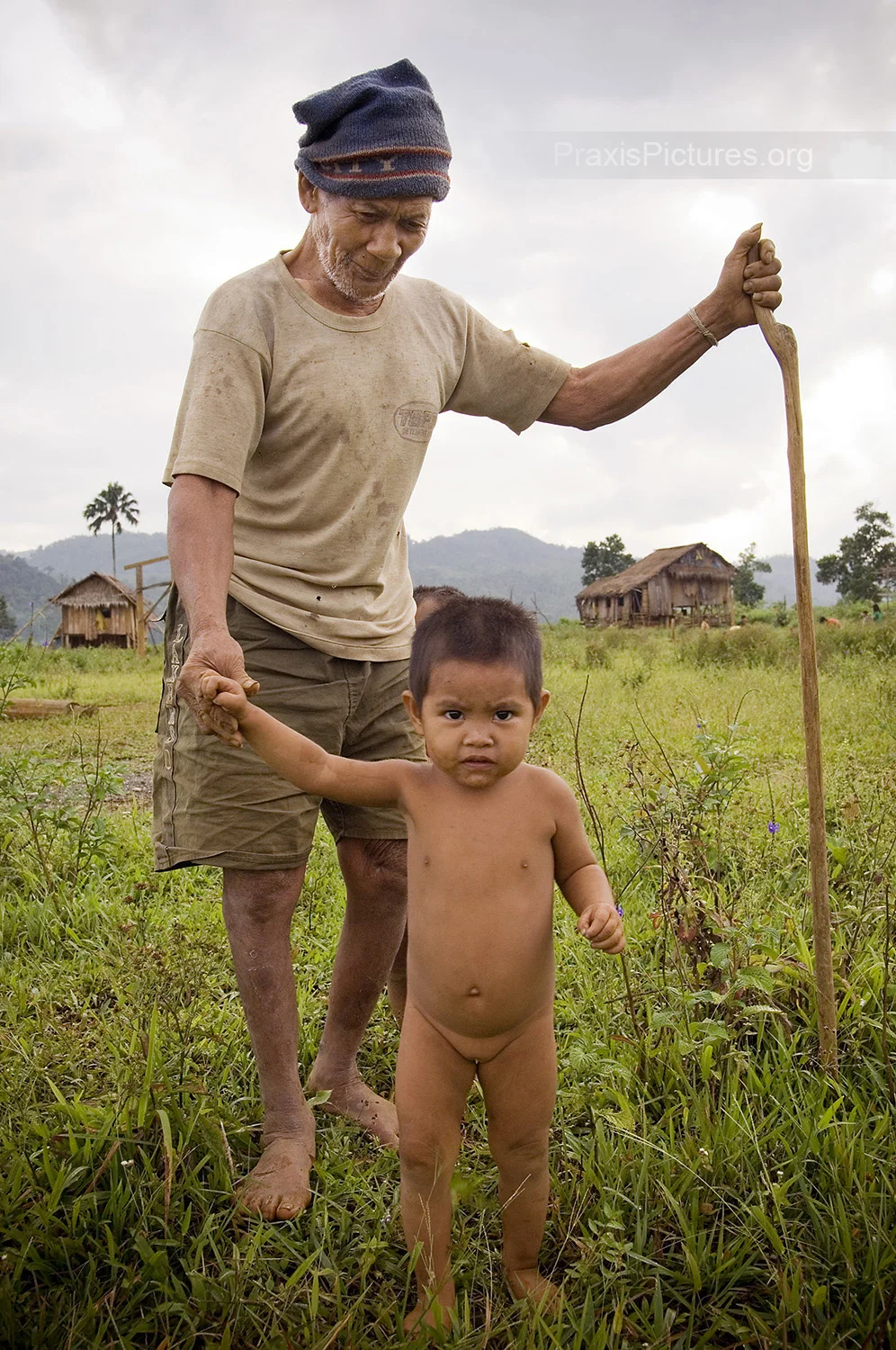
Maximo is the oldest member of Kisluyan and the acknowledged leader of the community. Maximo’s biggest worry is for the future generations. Living in relative isolation high in the mountains, the Mangyans have done well to hold on to their culture d…
INTIMIDATION AND EXTRAJUDICIAL KILLINGS - A broad coalition of Mindoreños have united in their opposition to the nickel project to form ALAMIN (Alliance against the mine). ALAMIN has organized numerous peaceful demonstrations to show their oppositio…
Albert has worked for Lepanto for fifteen years trying to support his family of ten. But his wages are not enough to support all of them so his wife has had to leave for the city with their four oldest children to sell fruit in the market.Many of th…
Lilia’’s husband, Peter, had worked at the Lepanto mine for seventeen years when all 1,787 workers went on strike in 2005. The workers were on strike for three months demanding better wages, benefits and job security to reflect the dangers of their …
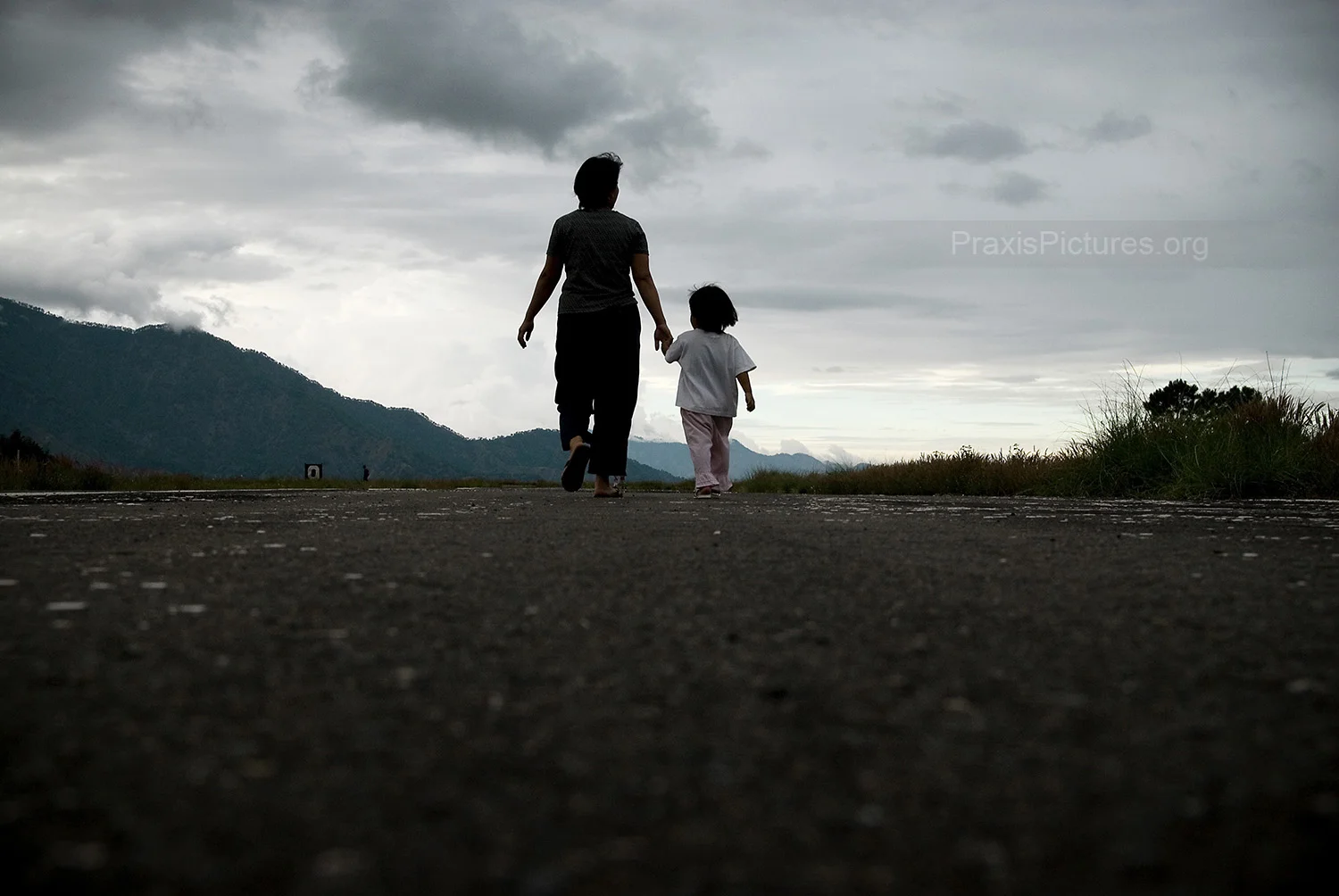
As the sun sets over the mountains of Benguet province, Lilia and Trixie walk along Lepanto’s airport runway near their home where all the gold is flown out of the province.The pattern has been repeated many times across the Philippines; the compani…